Creative Instinct: A Playful Script Font for Modern Web Design
Bringing Personality to Digital Design with Creative Instinct
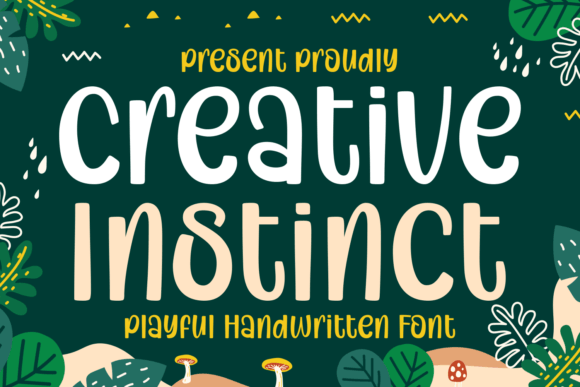
Creative Instinct is a dynamic script font that blends a hand-crafted aesthetic with digital usability. Its playful handwritten style, paired with contrasting thick and thin strokes, makes it ideal for adding a personal touch to web layouts. As a Script Amp typeface, it stands out in digital spaces where warmth and creativity are key brand signals. Whether used in a SaaS landing page or a boutique online store, Creative Instinct injects a sense of approachability without sacrificing professionalism.
How Creative Instinct Enhances Visual Hierarchy and Brand Tone
In web design, visual hierarchy is crucial for guiding user attention and improving content readability. Creative Instinct shines as a display font in hero sections, call-to-action buttons, and logo text, where its distinctive character helps establish brand tone. It works especially well for brands that want to feel personable and human, like creative agencies, lifestyle bloggers, or independent product sellers.
Because of its decorative nature, Creative Instinct performs best in short-form applications such as headlines, feature titles, and promotional banners. It’s not ideal for long blocks of body copy, but when used correctly, it can significantly boost user engagement and perceived brand authenticity.
Practical Uses Across Digital Products
Here are some real-world examples of how Creative Instinct supports modern web design:
- Portfolio websites: Use it in the hero header to highlight a designer’s name or tagline.
- Product landing pages: Apply it to feature highlights or limited-time offers.
- Online course sales pages: Make headlines and instructor names stand out with a warm, inviting tone.
- Blog headers: Add visual interest to article titles without compromising readability.
- Brand kits: Include it as part of a custom web identity for a cohesive look across digital assets.
Readability Tips for Web and Mobile Layouts
When using Creative Instinct on the web, consider how it performs across devices. Its handwritten style reads best at larger sizes—ideal for desktop hero sections and mobile headers. On smaller buttons or image overlays, ensure there’s enough contrast and spacing to maintain clarity.
For dark backgrounds, opt for a lighter weight if available, and always test legibility on both light and dark themes. On mobile screens, avoid using it in long navigation labels or dense UI components. Instead, reserve it for high-impact areas where visual appeal matters most.
Font Pairing Strategies for Web Design
Pairing Creative Instinct with the right supporting fonts is essential for a balanced layout. As a decorative script font, it pairs well with clean sans serif fonts like Open Sans or Lato for body text. This contrast helps maintain readability while preserving visual interest.
For editorial or packaging design projects, consider combining Creative Instinct with a serif font like Merriweather or Georgia to add depth and structure. The key is to maintain a clear typographic hierarchy so users can scan and engage with content effortlessly.
Technical Considerations for Web Use
Before integrating Creative Instinct into a live website or client project, check the available file formats and webfont support. Most premium fonts include multiple weights, alternates, and multilingual characters, which are essential for international brands or diverse digital products.
Also, verify the font’s licensing terms. Creative Instinct should come with a commercial license that covers web use, client work, online stores, and downloadable templates. Always ensure the license allows for the number of page views or domains you plan to use it on.
Final Thoughts: A Versatile Typeface for Brand-Centric Design
Creative Instinct is more than just a decorative font—it’s a tool for shaping digital brand identity. Whether you're designing a coaching website, a creative portfolio, or a product launch page, this script font adds a human touch that resonates with users. By using it thoughtfully in headers, banners, and key conversion areas, you can elevate your web design while keeping usability and brand consistency at the forefront.