Explorer Font: A Joyful Script for Polished Branding
Recently, I helped a local candle maker refresh her product labels. She wanted something elegant yet approachable—something that felt personal but still professional. That’s when I reached for Explorer, a script font that brings a touch of whimsy without sacrificing clarity. The result? A subtle but powerful shift in how customers perceived her brand—more refined, more memorable, and more authentically her.
What Makes Explorer Stand Out
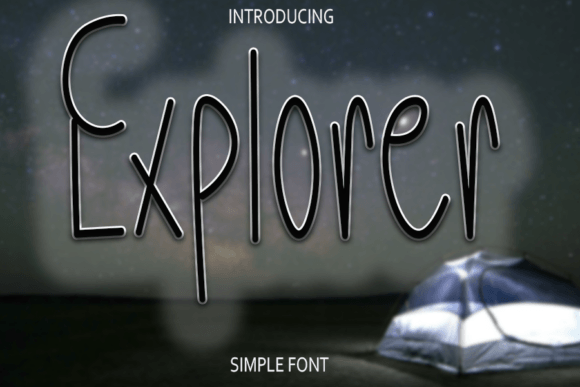
Explorer is a cheerful, flowing script font that feels handcrafted and expressive. It has a natural rhythm, with soft curves and a warm personality that invites connection. Unlike overly formal scripts, Explorer maintains a playful tone, making it perfect for brands that want to feel friendly and creative. Whether used in a logo, on packaging, or in digital graphics, it adds a human touch that resonates with customers.
As a script font, Explorer shines in short-form applications like headlines, brand names, and taglines. It’s not meant for long paragraphs, but rather for moments where you want to make a visual impression. Think of it as the finishing touch on your brand’s visual story—like the ribbon on a gift box.
Real-World Use: From Bakery Boxes to Skincare Labels
I recently worked with a small café looking to update their menu and signage. We used Explorer for their featured drink names and dessert specials. The font gave the menu a fresh, boutique feel that matched the café’s cozy atmosphere. Customers noticed the change, commenting on how the new design felt more “curated” and intentional.
Another project involved a skincare brand that wanted to elevate their product labels. Explorer added a soft, luxurious quality to their packaging without looking overdone. It paired beautifully with a clean sans serif for ingredient descriptions, creating a balanced, professional layout that felt trustworthy and modern.
How Explorer Elevates Brand Perception
Typography plays a quiet but powerful role in how customers see your brand. A well-chosen font like Explorer can communicate professionalism, warmth, and attention to detail—all without saying a word. When a small business uses thoughtful design choices, it signals that they care about the experience they’re offering.
Explorer helps create a consistent visual language across your materials. Whether it’s on thank-you cards, Instagram stories, or printed flyers, the font ties everything together. That consistency builds brand recognition, making your business more memorable in a crowded market.
Best Uses and Readability Tips
Explorer works best as a display font—ideal for logos, headlines, and decorative accents. It’s especially effective when used at a larger size, where its flourishes and character can shine. For small labels or mobile screens, keep the text short and ensure there’s enough spacing to maintain legibility.
If you're using Explorer for packaging, test it in different sizes and backgrounds. A bold version might work well on a matte candle label, while a lighter weight could suit a delicate boutique tag. Always preview how it looks in real-world conditions—like under store lighting or on a phone screen—to make sure it remains readable and impactful.
Font Pairing Made Simple
One of the joys of working with Explorer is how well it pairs with other typefaces. For a clean, modern contrast, try combining it with a simple sans serif like Montserrat or Lato. This combination works beautifully for branding kits, social media templates, and product packaging where you need both personality and clarity.
If you're going for a more elegant or editorial feel, a classic serif like Playfair Display complements Explorer’s curves. For a fully handcrafted look, pair it with another script or handwritten font, but keep the supporting text in something more neutral to avoid visual overload.
What to Check Before Using Explorer
Before incorporating Explorer into your branding materials, always verify the font license. Since it's part of the Script Amp category, it should be suitable for commercial use, but it’s good to double-check for specific applications like merchandise, packaging, or client work.
Also, make sure you have access to all necessary file formats—OpenType (.otf), TrueType (.ttf), and Web fonts if you're using it online. Many script fonts include alternate characters and ligatures that add variety and authenticity. Explorer likely offers these features, so take time to explore them for a more polished result.