Tree House: A Handwritten Font That Builds a Strong Brand Identity
As a small business owner, I’ve learned that every visual detail matters when it comes to how customers perceive your brand. One of the most underrated tools in branding is the choice of font. That’s why I was excited to discover Tree House—a handwritten script font that brings a personal, creative, and professional feel to any business material.
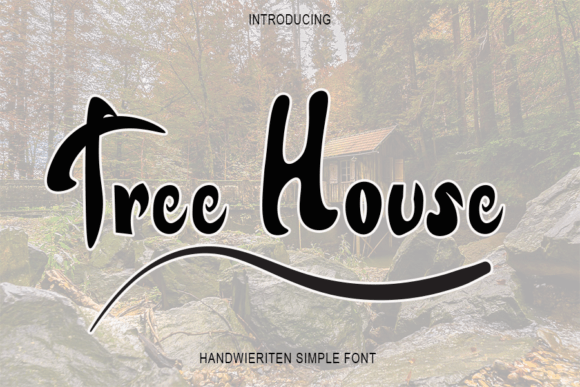
Tree House is a clean, modern handwritten font with a slightly playful and organic look. It’s not overly stylized like some script fonts can be, which makes it perfect for businesses that want to feel approachable but still polished. Whether you're designing a logo, packaging, or social media posts, Tree House adds a touch of warmth and authenticity that customers respond to.
Why Font Choice Matters for Small Businesses
Your brand’s typography is more than just letters on a page—it’s part of your visual language. The right font helps your business look consistent, trustworthy, and memorable. For example, using Tree House across your logo, product labels, and Instagram stories creates a unified look that customers can instantly recognize.
Many small business owners underestimate how much font choice affects customer trust. A clean, well-chosen font like Tree House tells your audience that you care about the details—whether you’re selling handmade candles, offering coaching services, or running a local café.
Real-World Uses for Tree House in Branding
Tree House works especially well as a display font or headline font. Here are some practical ways I’ve used it in my own branding and recommend to fellow entrepreneurs:
- Logo design: Perfect for boutique shops, wellness brands, and creative studios that want a warm, human touch
- Packaging design: Adds personality to product labels, thank-you cards, and custom stickers
- Social media graphics: Works beautifully in Instagram stories, Pinterest pins, and Facebook posts for a cohesive visual style
- Menu design: Great for cafés or food trucks that want a friendly, artisanal vibe
- Website banners: Use it for headlines or call-to-action buttons to stand out without sacrificing readability
One of my favorite uses of Tree House was on a line of organic skincare packaging. Paired with a simple sans serif for body text, Tree House gave the brand a clean, handmade look that stood out on shelves and online.
How Tree House Enhances Brand Recognition
Consistency builds trust. When you use the same font across your business cards, product tags, and digital ads, customers begin to associate that style with your brand. Tree House has a distinct yet balanced style that makes it easy to spot, even in a crowded marketplace.
For example, if you run a small online shop selling custom greeting cards, using Tree House in your logo and product titles helps shoppers remember your brand. Over time, that familiarity turns into loyalty.
Readability Across Different Business Touchpoints
One thing I always check before committing to a font is how well it reads in different sizes and formats. Tree House is surprisingly clear, even at smaller sizes. It works well on product tags, mobile screens, and printed materials like flyers or thank-you notes.
That said, I recommend using Tree House primarily as a headline font or accent font. For longer blocks of text—like product descriptions or website content—pair it with a clean sans serif or serif font for better legibility.
Font Pairing Tips for Tree House
Pairing fonts can be tricky, but Tree House makes it easy. Since it’s a decorative, handwritten script, I like to pair it with a minimalist sans serif like Montserrat or Lato. This creates a nice contrast while keeping the overall design balanced.
For example, if you’re designing a logo for a yoga studio, use Tree House for the studio name and a simple serif font for the tagline. This combination feels both grounded and elegant—just like your brand should.
Test Before You Commit
Before applying Tree House across all your branding materials, test it in different contexts. Try it out on mockups of your packaging, business cards, and website banners. Make sure it looks good both on screen and in print.
I also recommend downloading a sample or demo version if available. This helps you see how the font performs in real-world applications before purchasing a full license.
Check Licensing for Commercial Use
One of the most important things I’ve learned as a small business owner is to always verify font licensing. Make sure the version of Tree House you’re using includes a commercial license, especially if you plan to use it on product packaging, merchandise, digital downloads, or client work.
Most font marketplaces clearly state the licensing terms, so double-check before you download or purchase. This avoids any legal issues down the road and ensures your brand assets are fully protected.
Final Thoughts
If you're looking for a handwritten font that adds personality without sacrificing professionalism, Tree House is a smart choice. It’s versatile enough for logos, packaging, and social media, and clean enough to work in both print and digital settings.
Whether you're building a brand from scratch or refreshing your existing visual identity, Tree House brings a sense of warmth and authenticity that resonates with customers. Paired with the right supporting fonts and used thoughtfully across your materials, it can help your small business stand out in a meaningful way.